
Relocating to Seattle
Your Greater Seattle Relocation Resource Center
Moving to Greater Seattle comes with plenty of questions. Where should you live? How do the different communities compare? What should you know about commuting, housing costs, and everyday life?
Whether you're relocating internationally, moving across the country, or simply exploring a different part of the region, these resources will help you understand your options and make informed decisions about where to call home.
01 · Where to live
Find your place in Greater Seattle
There's no single best place to live in Greater Seattle. The right fit depends on what matters most to you—your daily routine, housing preferences, commute, budget, and the experiences you want close to home.
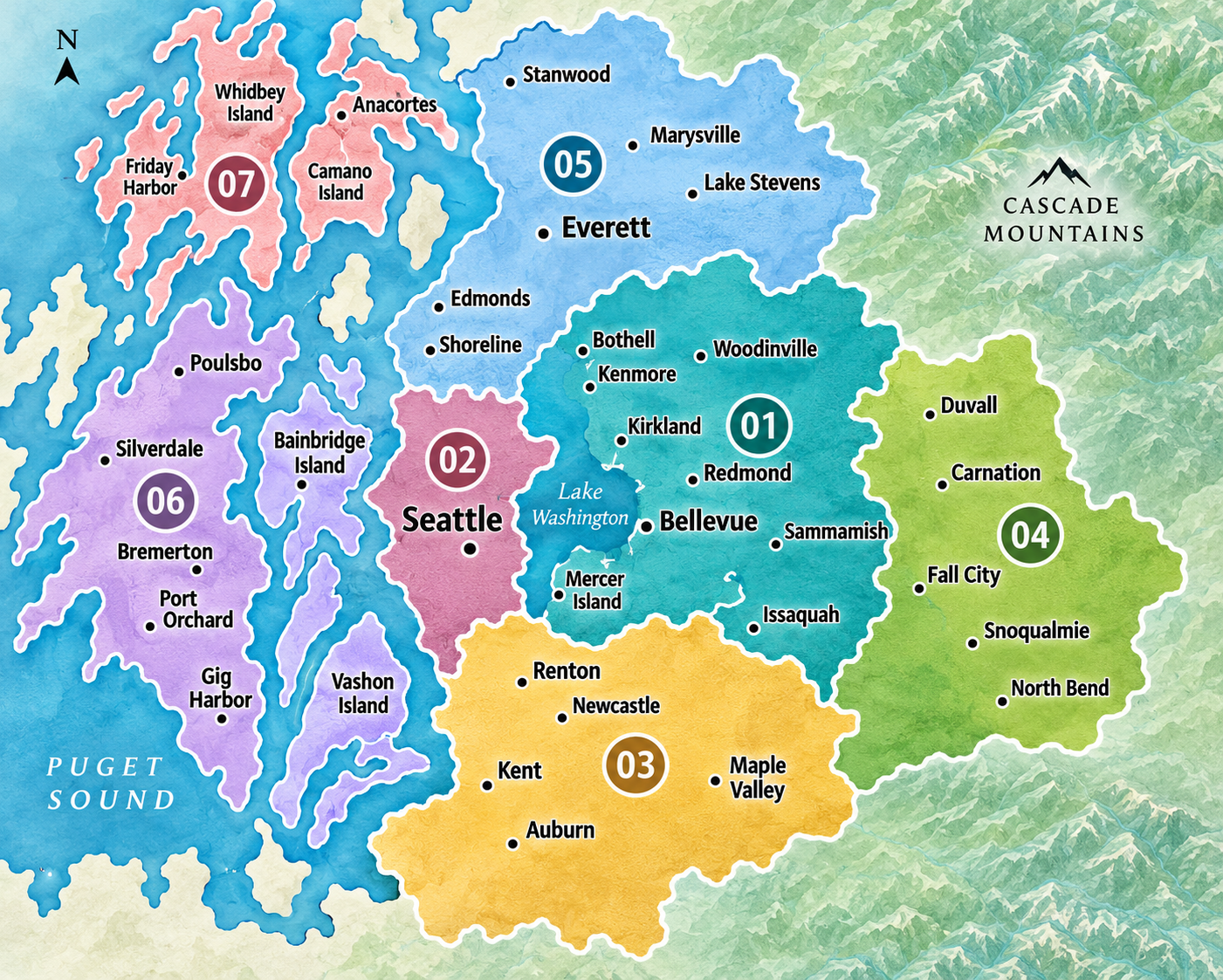
From Seattle's distinctive neighborhoods and the Eastside's downtowns to waterfront communities, suburban centers, and the Cascade foothills, the region offers a remarkable variety of places to explore.
Region 01
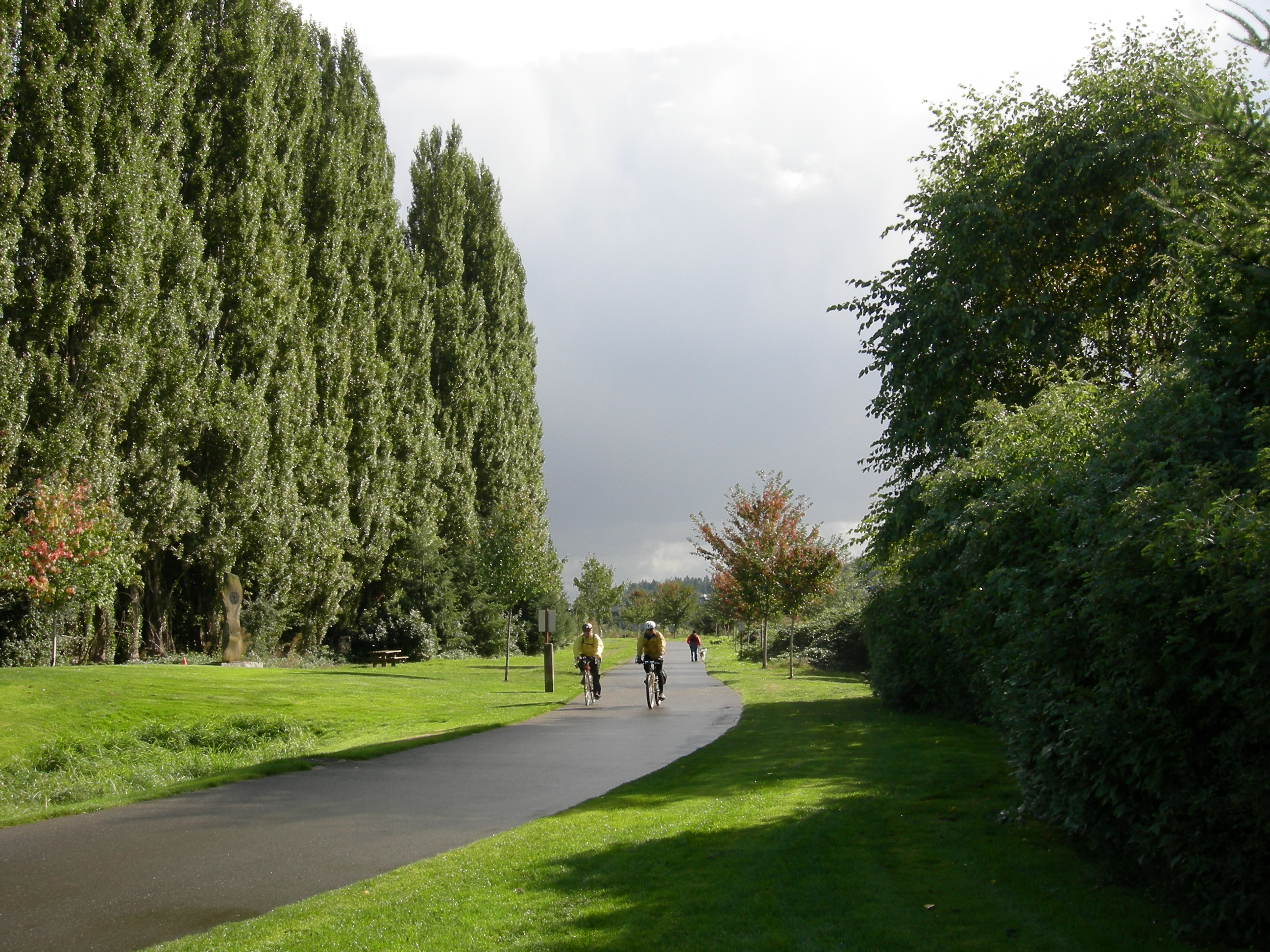
Seattle's Eastside
Technology, major employment centers, and suburban-to-urban living.
Home to Microsoft's Redmond headquarters and major employers in Bellevue, the Eastside offers everything from high-rise condos and walkable downtown districts to established neighborhoods and wooded acreage. Bellevue, Redmond, and Kirkland are known for major employment centers, parks, and highly regarded public school districts. Housing prices in many Eastside communities are among the region's highest, although choices vary considerably by city and neighborhood.

Region 02
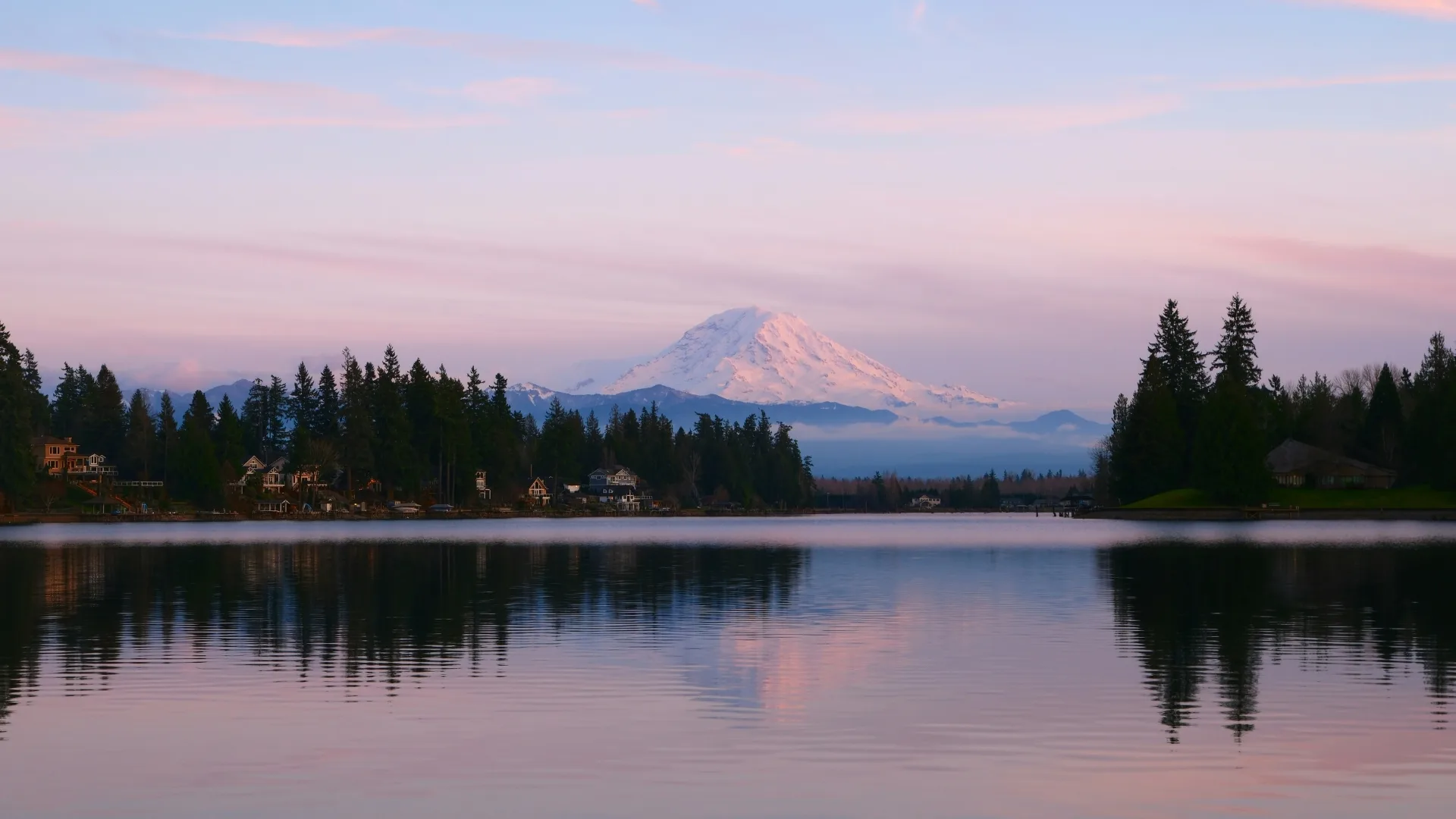
The City of Seattle
Urban neighborhoods, major employers, culture, and transit.
Seattle is home to Amazon's headquarters and major healthcare, research, and technology employers. Neighborhoods range from dense, transit-connected urban centers to quieter residential streets and waterfront areas. You'll find condos, apartments, townhomes, and single-family houses, with major differences in housing costs, parking, and transportation depending on the neighborhood.
Region 03
South King County
Housing variety, regional employment, and access to major transportation corridors.
Boeing's Renton operations are a major regional landmark, while cities such as Renton, Kent, Auburn, and Maple Valley offer a range of suburban neighborhoods, town centers, and housing choices. Some communities offer lower home prices than the central Eastside, although affordability varies. Commutes to Seattle or Bellevue can be longer, making the specific location and work schedule important.

Region 04
The Snoqualmie Valley
Small-town centers, Cascade foothills, and outdoor recreation.
Duvall, Carnation, Fall City, Snoqualmie, and North Bend offer a different setting from the region's larger urban centers. Housing ranges from established neighborhoods and newer subdivisions to rural properties and acreage. The landscape is a major attraction, but commutes to Bellevue, Redmond, or Seattle can require more driving, and transit options are generally more limited.
Region 05
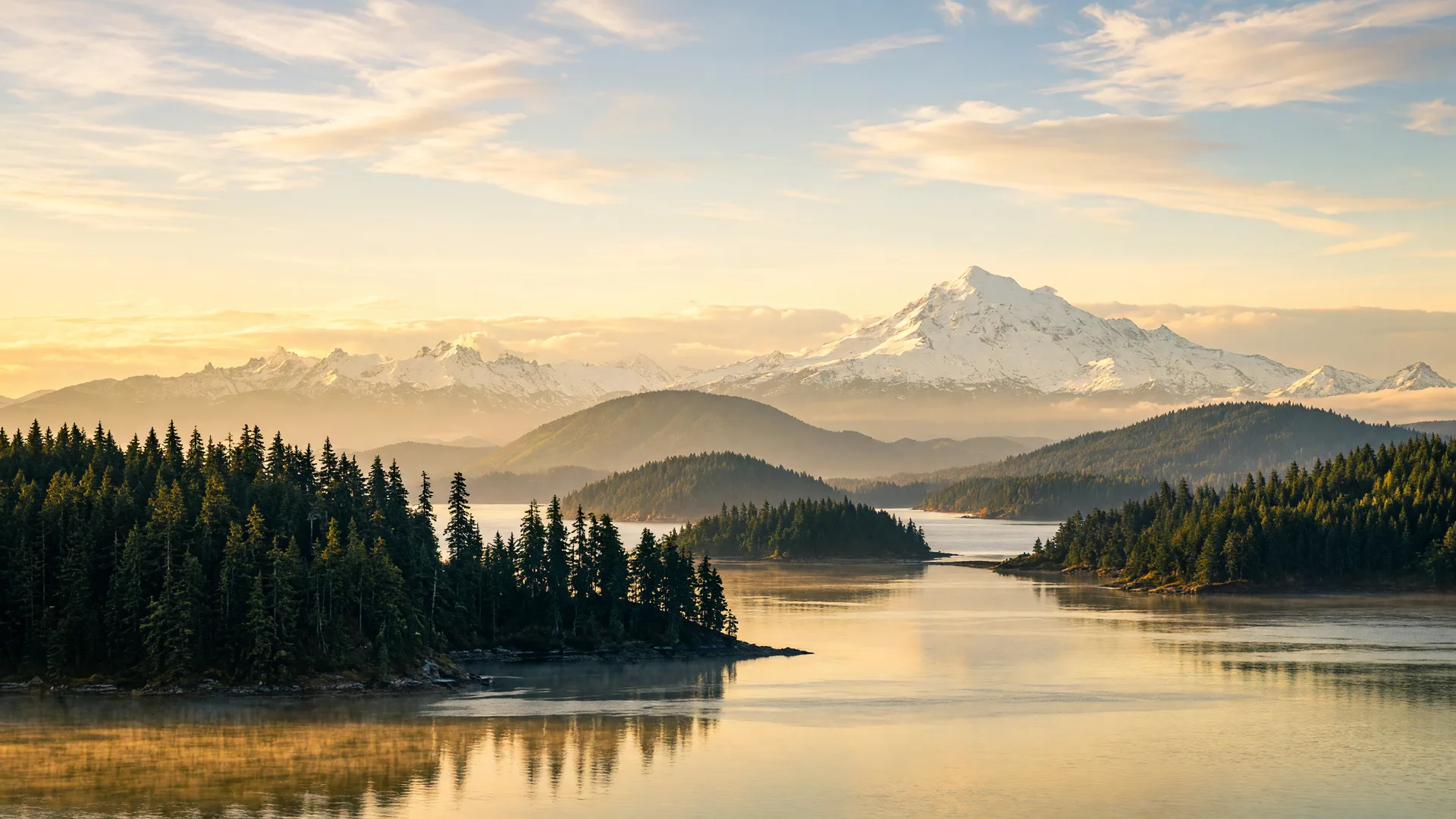
North King & Snohomish County
Aerospace employment, waterfront communities, and varied housing costs.
Boeing's Everett manufacturing operations anchor a major aerospace employment corridor. Shoreline and Edmonds offer access to Seattle and Puget Sound, while Everett, Snohomish, Marysville, and surrounding communities offer a mix of historic downtowns, suburban neighborhoods, and rural settings. Some areas provide more housing for the money than central King County, but commute distances and transportation options differ significantly across this large region.
Housing costs, school assignments, and commute experiences vary by neighborhood and individual property. Explore current information and test the routes that matter to your daily routine before making a decision.
02 · Understanding the region
A geography lesson in one paragraph
Greater Seattle is shaped by water and mountains. Puget Sound lies to the west of Seattle, while Lake Washington separates Seattle from the Eastside. The Cascade Mountains rise to the east, and the Olympic Mountains frame the western horizon. Bridges, ferries, highways, and light rail connect communities across the region, but the geography influences how people travel between them.
Bridges
Water shapes the commute
Greater Seattle's bridges connect communities separated by lakes, waterways, and the Ship Canal. I-90 and SR 520 cross Lake Washington between Seattle and the Eastside, while the Fremont, Ballard, University, and Montlake bridges are movable crossings within Seattle. The West Seattle Bridge and I-5 Ship Canal Bridge are also important regional connections. Traffic, bridge openings, and construction can affect travel times.
Ferries
Part of everyday life
Washington State Ferries connect Seattle and nearby terminals with communities across Puget Sound, including Bainbridge Island, Bremerton, Vashon Island, and Whidbey Island. For some residents, ferry travel is a regular part of commuting and daily life. Crossing times, sailing schedules, vehicle reservations where available, and terminal wait times are important considerations when choosing where to live.
Rail
Connecting more of the region
Sound Transit's Link light rail serves major destinations across the Seattle metropolitan area, with connections to employment centers, neighborhoods, and transportation hubs. Sounder commuter trains and Amtrak provide additional rail options on selected corridors. Rail service varies considerably by community, so checking current routes, stations, schedules, and connections is important when comparing locations.
03 · Commuting
The Tuesday test beats any map
A commute can look simple on a map and feel very different in everyday life. Before choosing a community, test the trip you would actually make—at the time you would normally travel, in both directions.
Whether you're driving from Snohomish County, crossing Lake Washington, taking light rail from Seattle, or traveling from Snoqualmie, the details matter. Consider traffic patterns, transit connections, parking, and how often you'll make the trip. If you work remotely or have a flexible schedule, your priorities may be different.
Seattle & Eastside Crossings
I-90 and SR 520 connect Seattle with the Eastside, while I-405 provides a major north–south route through Eastside communities. Water crossings and peak-hour traffic can affect travel times. SR 520 is tolled; I-90 is not.
North & South Corridors
I-5 connects Seattle with communities north toward Everett and south toward Renton, Kent, Auburn, and beyond. Traffic conditions vary by location and time of day, and express lanes, HOV lanes, and transit options can influence the route you choose.
Foothills & Valley Travel
I-90, SR 202, SR 203, and connecting local roads serve communities around Issaquah and the Snoqualmie Valley. Trips may involve longer distances, limited alternative routes, and different weather conditions as you travel toward the Cascade foothills.
Transit & the Complete Trip
Light rail, commuter rail, buses, and ferries can provide alternatives to driving. But the full trip matters: getting to the station or terminal, parking, transfers, service frequency, and the distance from your final stop to your destination.
Plan your real-world commute
Check your route before you choose
Before making a housing decision, compare routes and transportation options for the actual addresses and times that matter to you. These official resources can help you check current traffic conditions, transit connections, and travel alternatives.
04 · Weather

The rain's reputation is bigger than the rain
Greater Seattle is known for rain, but the reality is often more gray skies and light drizzle than nonstop downpours. The wetter season generally stretches from fall into spring, while summers tend to be drier, warmer, and filled with long daylight hours.
Weather also varies across the region. Communities near Puget Sound often experience milder conditions, while Snoqualmie and areas closer to the Cascade foothills can see more precipitation and occasional winter snow. Winter days are shorter and cloudier than many newcomers expect, but summer evenings can stay light surprisingly late.
05 · Cost of living
Housing is the headline, but look at the whole picture
Housing is often the largest cost consideration when moving to Greater Seattle, and prices can vary significantly between communities. A budget that buys a condo or smaller home in one area may offer a larger home or more land in another. Property taxes, insurance, HOA dues, and maintenance costs also deserve attention when comparing properties.
Washington has no state personal income tax on wages, but sales taxes vary by location, and other taxes may apply. Beyond housing, consider transportation, utilities, groceries, childcare if applicable, and the activities that are part of your everyday life. A longer commute or higher transportation costs can offset savings on a home farther from work.
A useful way to compare: Look beyond the purchase price or monthly rent. Compare the full monthly cost of living in the communities you're considering, including housing, transportation, taxes, and everyday expenses.
06 · A sensible moving timeline
Four phases, no panic
Every move has its own timeline. Whether you're buying, renting, or coordinating a move from across the country, these four stages can help you organize the essentials without feeling overwhelmed.
01
Plan your move
Approximately 2–4 months out
- Confirm your timeline, budget, and any employer relocation benefits.
- Research communities, housing options, and daily commutes.
- Explore financing or rental requirements.
02
Narrow your choices
Approximately 1–2 months out
- Compare properties and locations; arrange in-person or virtual tours.
- Coordinate housing decisions with work, school, or other important dates.
- Research movers, storage, and moving expenses.
03
Prepare for arrival
Approximately 2–4 weeks out
- Confirm housing arrangements, key dates, and moving services.
- Arrange utilities, insurance, address changes, and important records.
- Pack essentials separately and allow flexibility for unexpected delays.
04
Make it home
Your first month here
- Get familiar with your neighborhood and everyday services.
- Complete applicable vehicle, licensing, and local registration tasks.
- Explore the communities, activities, and places that make Greater Seattle feel like home.
Every relocation follows a different schedule. Home purchases, rentals, employer transfers, and international moves may require additional steps or more time. Use this roadmap as a starting point, not a fixed deadline.
07 · Common relocation questions
The questions every newcomer asks
What is the best time of year to move to Seattle?
There's no single best season to relocate. Late spring through early fall generally offers drier weather and longer daylight hours, but it's also a popular time for moving. Fall and winter may offer more flexibility with moving services, although weather and shorter days can complicate logistics. The best timing depends on your housing plans, work schedule, and personal circumstances.
Should I rent first or buy right away?
Renting first can give you time to explore neighborhoods, experience your commute, and learn what matters most in your daily routine. Buying right away may make sense if you already know the area, have a clear housing budget, and feel confident about your plans. Neither approach is automatically better. Consider your timeline, finances, and how familiar you are with Greater Seattle before deciding.
Do I really need a car?
That depends on where you live and where you need to go. Some Seattle neighborhoods and areas near frequent transit allow residents to manage without a car. Other communities, especially those farther from major transit routes, may make driving more practical. Consider your commute, errands, parking, and access to transit before deciding what works for your household.
Will the rain actually bother me?
Greater Seattle is known for its gray skies and frequent light rain, especially from fall through spring. Summers are generally drier and brighter, with long daylight hours. Some newcomers adjust quickly, while others find the shorter winter days more challenging than the rain itself. Weather also varies by location, so it's worth considering the seasonal conditions in the communities you're exploring.
How do public schools work in Washington?
Public schools are organized into districts, and district boundaries don't always follow city limits. School assignments can depend on the specific property address, and attendance boundaries or programs may change. If schools are important to your move, research the districts and programs that interest you and verify assignments directly with the appropriate school district before making a housing decision.
Where should I start if I'm considering a move to Greater Seattle?
Start with the things that will shape your everyday life: your housing budget, work location or commute, preferred lifestyle, and moving timeline. Explore several communities rather than choosing solely by city name or home prices. If you're planning to buy, speaking with a lender early can help establish a realistic budget. A local real estate professional can also help you understand your options and organize the next steps.

Take the guide with you
Moving to Greater Seattle involves more than finding a house. My free Greater Seattle Relocation Guide helps you explore communities, think through your priorities, evaluate homes, and ask better questions—even when you're making decisions from miles away.
It's a practical resource you can refer to throughout your search, whether you're just beginning to explore the region or preparing for your next move.
Free relocation resource
The Greater Seattle Relocation Guide
Explore the region, understand your housing options, and discover practical questions worth asking before making your move.